Tech Fleet News - February 2026 - Learning Fast 🪃

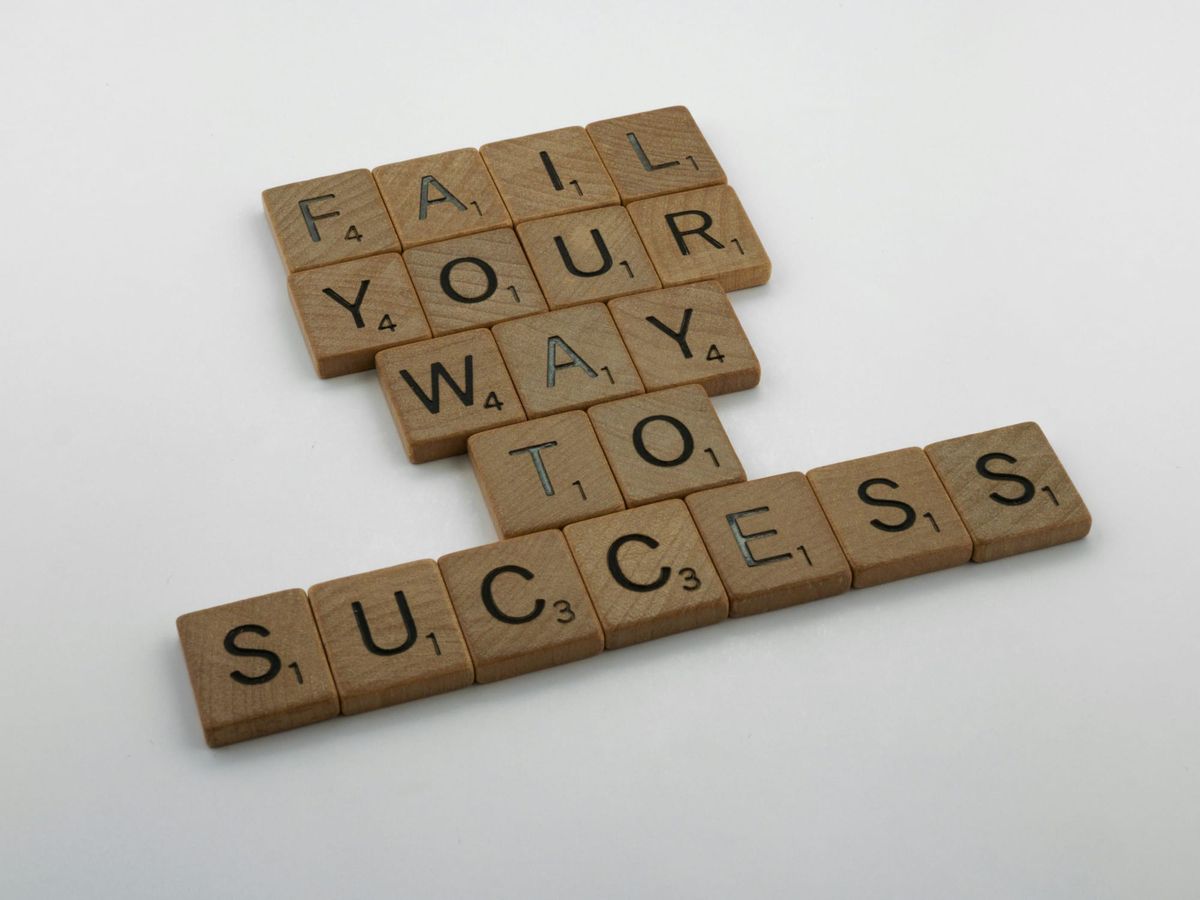
Learning fast isn’t about moving faster, it’s about learning sooner.
This month, we’re exploring failing fast in real teams: how sharing early work, testing ideas quickly, and leaning on trust can turn uncertainty into progress. It’s not about perfection, checklists, or frameworks, it’s about creating space for teams to experiment, adjust, and grow together.
Think of it as agility in action: small steps, real feedback, and smarter decisions.
📣 Community Updates & Announcements 📣
✨ Current Masterclass Openings
- AI-Enabled Systems Design Class - February 2, 2026
- AI-Enabled UX Research Masterclass - February 9, 2026
- Product Operations Masterclass - February 9, 2026
- Service Leadership Masterclass - February 9, 2026
🚀Current Project Openings
Our projects are mission-driven, and we’re currently looking for people across multiple functions - Project Managers, Product Strategists, UX Researchers, UX Designers, UX Writers, Agile Coaches.
- Geeks for Social Change: Build open, inclusive digital infrastructure to help communities better see, coordinate, and sustain their activities.
- Alterea Phase 2: Build the next version of their Agents of Change game for kids to learn how to thwart misinformation.
- Viable Community Phase 2: Launch a marketplace to help people who are eco-conscious consume ethically and increase sustainable practices around the world.
- We Independent Phase 2: Launch the next version of their website and develop a strategy to effectively present content and services related to immigration and the path to U.S. citizenship.
- Lupie Fam Phase 2: On a mission to provide a support network to empower individuals with Lupus to "live as well as possible" despite their diagnosis.
📅 Live Projects
Check out all ongoing Tech Fleet projects on the observer dashboard. We welcome everyone in the Tech Fleet community to observe projects (Read this first!). Explore milestones, deliverables, client info, and project resources while observing teams in action.
⏰ Community Events
- Tech Fleet Weekly Community Onboarding
- Tech Fleet's Strategy and Roadmap for 2026
- Tuesday, February 10, 12:00 PM - 1:00 PM EST
- Thursday, February 12, 4:00 PM - 5:00 PM EST
🙌 Community Shoutout
We are so excited to celebrate our community members and clients for 2026! Our community recognizes those who led with care, went the extra mile, and made working together inspiring every day - a true reflection of the work culture we value.
Agile Coach Award: Abegail T, Rachel B, Diana M, Veena S, Amber A, Jonathan R, Lori B
Biggest Service Leader Award: Hassan H, Diane C, Crystal P, Lucy K, Katerina B, Jonathan R, Azada H, Dominic B, Neha A, Mia L, Kris R
Teammate Award: Hassan H, Rui T (pronounced Ray), Abegail T, Aerial W, Maria G, Lucy K, Dominic B, Muminah K, Fahad A, Dragos D, Rachel B, Lori B, Siqi H, Tomomi S
Project Coordinators of the Year: The entire Project Coordinator team – Neha A, Perri M, Michelle S, Leah E, Mia K, Lyndsey N, Amber A, Preeti A, Yelena F, Kee J, Veena S, Lyndsey N
Most Impactful Project: Science 2 People Project
Great Partnership Award (Tied!):
- Once Upon a Time Project (Yasmine and Dolores, pronounced Jasmeen)
- Track Poli Project (Adedayo)
👏 Thank you all for making such a positive impact! Your contributions drive our success.
💭Term of the Month
by Andrea Lo
Failing Fast: Where Agile Theory Meets Real Life
We hear “fail fast” all the time in agile spaces.
But in practice, it often gets misunderstood.
It can sound reckless, risky and come across as pressure to move faster than people are ready for.
The truth is more nuanced. Failing fast is not about chaos, it’s about shortening the distance between action and learning.
Failing fast is really about learning sooner
Agile frameworks introduce things like sprints, demos, retros, MVPs, and experiments. Not because teams love ceremonies, but because these structures help us see reality faster.
Instead of spending months polishing something in isolation, teams try smaller things earlier:
- A rough prototype instead of a perfect solution
- A draft instead of a final deliverable
- A pilot instead of a full rollout
The goal is not to fail more often. The goal is to learn early enough to change direction while it still matters.
Small failures protect teams from bigger ones
When teams test ideas early:
- Weak assumptions show up quickly
- Misalignment becomes visible sooner
- Feedback arrives while change is still possible
- Energy stays focused on what matters, not what is already polished
This is what makes failing fast such a powerful practice.
It keeps teams honest.
It keeps work grounded in reality.
It keeps learning continuous.
Failing fast only works when trust is present
Teams cannot fail fast if people are afraid to:
- Share unfinished work
- Admit something is not working
- Name risks early
- Challenge direction
- Say “I think we missed the mark”
Without trust, teams do not fail fast.
They keep things to themselves until it is too late.
With trust, something shifts. People start sharing earlier. Conversations become more honest. Adjustments happen in real time instead of in hindsight and learning becomes collective rather than individual. That is when failing fast becomes a strength.
Real agility lives in the follow-through
Failing fast is not just about running experiments. It is about what happens after the feedback arrives.
Do we change direction?
Do we let go of ideas we feel attached to?
Do we reward learning, not just delivery?
Do we treat new information as insight instead of inconvenience?
This is where agility stops being theoretical and starts becoming real. Frameworks can suggest the rhythm and the team’s mindset determines the depth.
What failing fast looks like in real teams
It looks like:
- Sharing early drafts instead of waiting for perfection
- Running smaller tests instead of betting everything on big launches
- Naming uncertainty instead of pretending there’s clarity
- Letting go of sunk costs when the evidence shifts
- Reflecting often and actually changing behavior
The deeper shift
Failing fast is not about just about embracing failure as part of discovery, it’s about embracing responsiveness.
It is the shift from:
“We need to get this right the first time”
to
“We need to learn quickly enough to get this right over time.”
That is where agile stops being something you perform and starts becoming something you live.
💡 Tip
Make Small Experiments Your Default
Instead of trying to get it perfect on the first try, treat each task or project like a mini-experiment. Deliver something small, see how it lands, and iterate.
- Pick the riskiest assumption first, what could go wrong if you’re wrong?
- Build just enough to test it with real people or real data.
- Treat feedback as fuel, not judgment.
The habit of experimenting early turns uncertainty into learning, and learning into progress.
🤲You Can Make a Difference
Tech Fleet is a volunteer-run nonprofit with a mission to develop people-first leadership and empowered teams across the world. We depend on community support. Please contribute here, and share with others you know who might support our work!
💌Thank you!
We'd love your feedback on our newsletter! Hit "Reply" and tell us how we did!